

If shoulder pain has made it difficult to lift your arm, sleep comfortably, or enjoy everyday activities, reverse shoulder replacement surgery may be an option worth considering. At Richard B. Jones in Asheville, NC, patients receive personalized orthopedic care designed to reduce pain and restore shoulder function. Understanding how this procedure works can help you decide if it is the right solution for your condition.
What Is Shoulder Replacement?
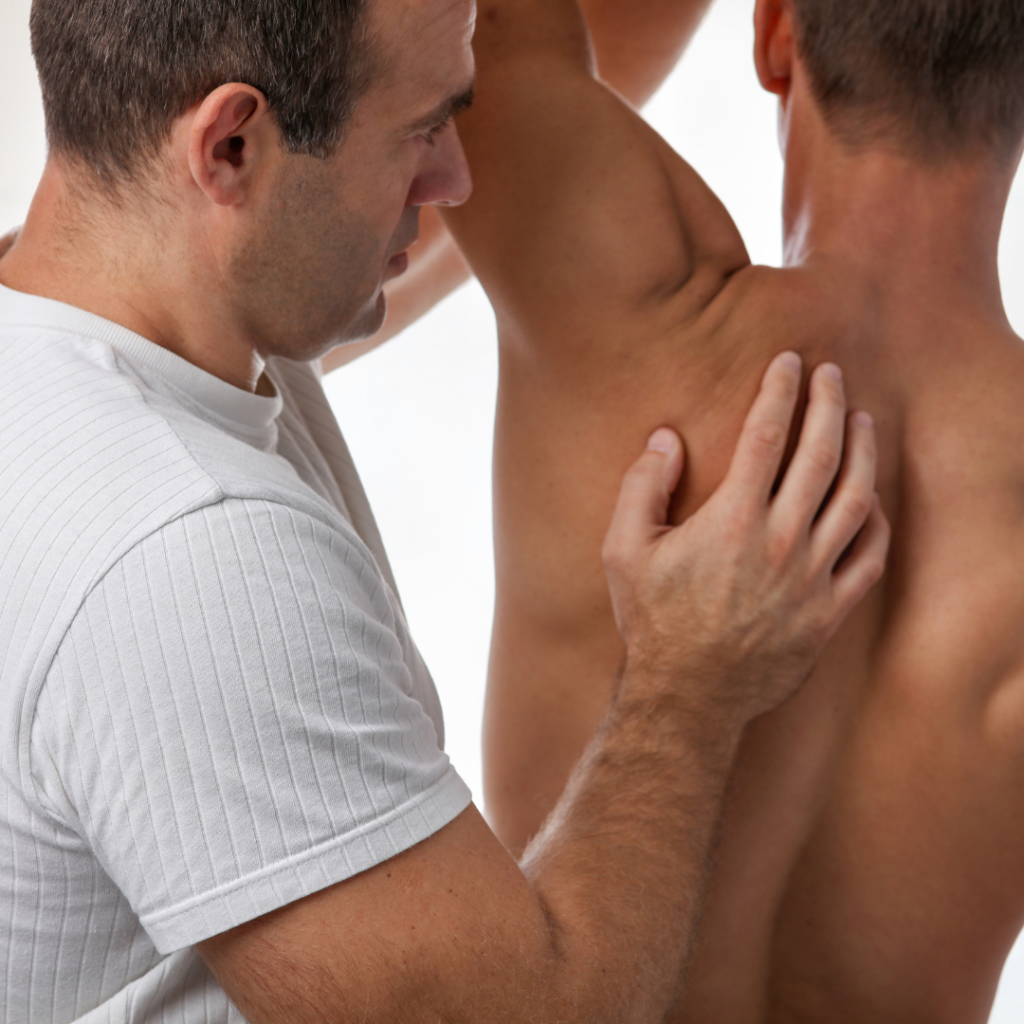
Shoulder replacement is a surgical procedure that replaces damaged parts of the shoulder joint with artificial components. Traditional shoulder replacement closely matches the body’s natural anatomy, but reverse shoulder replacement surgery is different.
In a reverse shoulder replacement, the normal ball-and-socket structure is reversed. The ball is attached to the shoulder blade, while the socket is placed on the upper arm bone. This design allows the deltoid muscle to move the arm instead of relying mainly on the damaged rotator cuff.
This procedure is often recommended for people who have severe arthritis combined with a torn rotator cuff or other complex shoulder problems that cannot be treated effectively with traditional shoulder replacement.
When You May Need Reverse Shoulder Replacement Surgery
Not everyone with shoulder pain needs surgery. Many patients improve with physical therapy, medications, injections, or lifestyle changes. However, surgery may become the best option when these treatments no longer provide relief.
You may benefit from reverse shoulder replacement surgery if you have:
- Severe shoulder arthritis
- A large, irreparable rotator cuff tear
- Rotator cuff tear arthropathy
- A complex shoulder fracture
- Failed previous shoulder surgery
- Chronic shoulder instability with joint damage
- Constant pain that affects sleep and daily activities
A thorough evaluation by an orthopedic shoulder specialist can determine whether this procedure is the right treatment for your condition.
How Reverse Shoulder Replacement Surgery Works
The goal of surgery is to reduce pain while improving strength and movement.
The process generally includes the following steps:
- Comprehensive physical examination and imaging.
- Discussion of treatment options and surgical planning.
- Administration of anesthesia on the day of surgery.
- Removal of damaged joint surfaces.
- Placement of specialized shoulder implants.
- Testing the new joint for proper movement and stability.
- Closing the incision and beginning recovery.
Most patients wear a sling after surgery while the shoulder begins to heal.
Recovery Timeline and Expected Results
Recovery takes time, but many patients experience significant improvements in comfort and function.
A general recovery timeline includes:
- First 2 weeks: Focus on healing and pain management.
- Weeks 2–6: Gentle guided physical therapy begins.
- 6–12 weeks: Gradual improvement in shoulder movement and strength.
- 3–6 months: Most daily activities become easier.
- 6–12 months: Continued improvement with full recovery for many patients.
Every patient heals differently depending on age, overall health, and the condition of the shoulder before surgery. Following your surgeon’s rehabilitation instructions is one of the most important parts of a successful outcome.
Cost and Timeline
The cost of shoulder replacement surgery varies based on several factors, including:
- Insurance coverage
- Hospital or surgical facility fees
- Imaging and diagnostic testing
- Anesthesia
- Physical therapy after surgery
Many insurance plans, including Medicare, may cover medically necessary shoulder replacement procedures. Your healthcare provider can help you understand your expected costs before surgery.
Although the operation itself usually takes only a few hours, recovery and rehabilitation require several months of commitment to achieve the best possible results.
Common Mistakes Patients Should Avoid
Patients often make simple mistakes that can delay healing or affect their final outcome.
Common mistakes include:
- Waiting too long before seeking treatment
- Ignoring severe or worsening shoulder pain
- Skipping physical therapy appointments
- Returning to heavy lifting too early
- Not following post-operative instructions
- Missing scheduled follow-up visits
Working closely with your orthopedic surgeon and physical therapist helps reduce complications and supports a smoother recovery.
Why Choose Richard B. Jones in Asheville, NC?
Choosing an experienced orthopedic surgeon is one of the most important decisions you can make.
Richard B. Jones provides patient-focused care with individualized treatment plans designed around your specific condition and lifestyle. Every patient receives a detailed evaluation to determine whether surgery is appropriate and what type of shoulder replacement will provide the best long-term outcome.
From your first consultation through rehabilitation, the goal is to help you regain shoulder function, reduce pain, and return to the activities you enjoy.
Reverse Shoulder Replacement Surgery in Asheville, NC
Residents throughout Asheville, NC, and the surrounding communities trust experienced orthopedic care when shoulder pain limits their quality of life. Whether your shoulder damage is caused by arthritis, a massive rotator cuff tear, or a previous injury, modern surgical techniques can provide lasting relief for many patients.
If conservative treatments have not worked, scheduling an evaluation is the first step toward finding the right solution.
Conclusion
Living with chronic shoulder pain does not have to become your new normal. Reverse shoulder replacement surgery has helped many patients regain mobility, reduce pain, and improve their quality of life after severe shoulder damage. If you are considering reverse shoulder replacement surgery in Asheville, NC, Richard B. Jones can evaluate your condition and recommend the treatment option that best fits your needs. With proper care, surgery, and rehabilitation, many patients are able to return to everyday activities with greater comfort and confidence.