

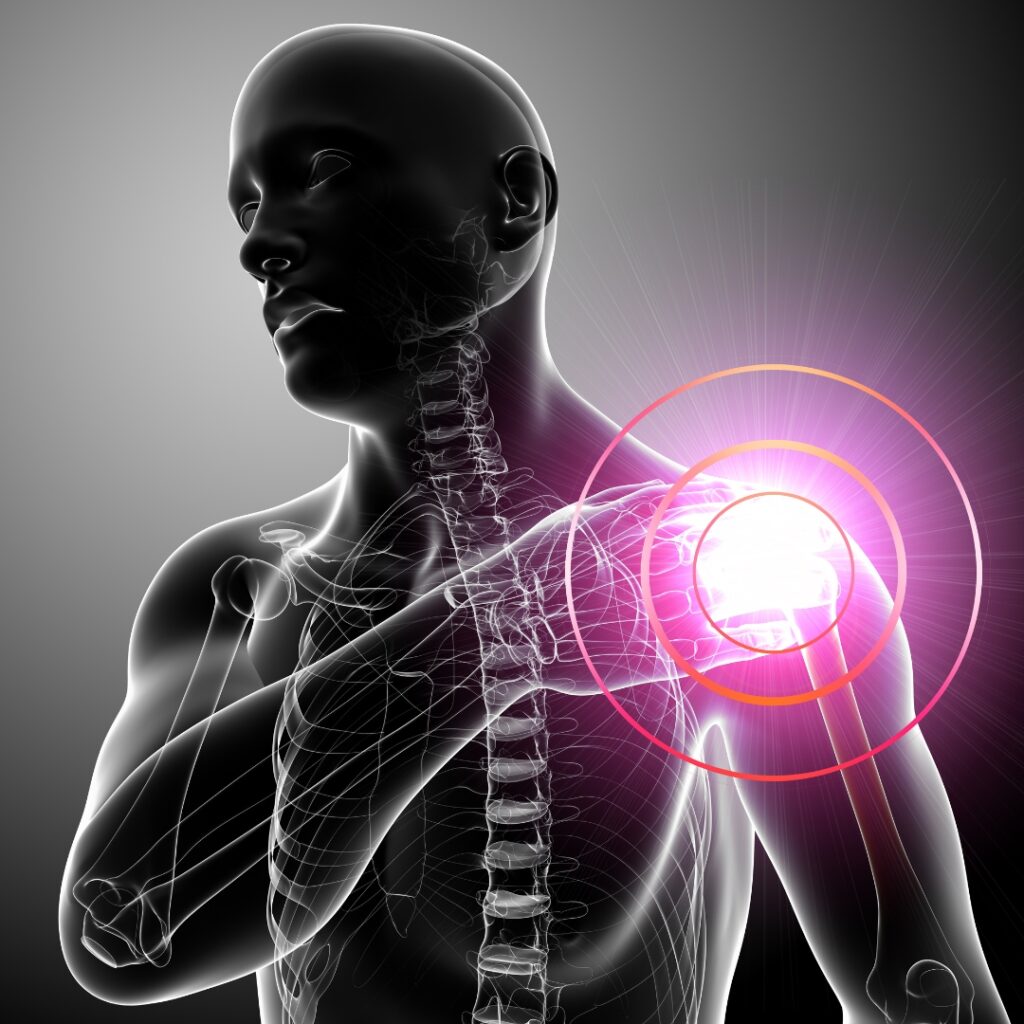
Living with chronic shoulder pain can make even simple daily activities—like reaching overhead, getting dressed, or sleeping comfortably—feel impossible. If shoulder pain and limited mobility are affecting your quality of life, shoulder replacement surgery in Asheville may be an effective solution.
At Richard B. Jones, MD, we help patients throughout Asheville and Western North Carolina find lasting relief from severe shoulder conditions. This guide explains what shoulder replacement surgery is, who it’s for, what to expect, and how it can help you return to an active, pain-free lifestyle.
What Is Shoulder Replacement Surgery?
Shoulder replacement surgery—also called shoulder arthroplasty—is a procedure that removes damaged parts of the shoulder joint and replaces them with artificial components. These implants are designed to restore smooth movement, reduce pain, and improve overall function.
This surgery is typically recommended when nonsurgical treatments such as medication, injections, or physical therapy no longer provide relief.
Goals of shoulder replacement surgery include:
- Reducing or eliminating chronic shoulder pain
- Improving range of motion
- Restoring strength and stability
- Helping patients return to daily activities
Types of Shoulder Replacement Surgery
Dr. Richard B. Jones offers advanced shoulder replacement options tailored to each patient’s condition, anatomy, and lifestyle needs.
Total Shoulder Replacement
Total shoulder replacement is the most common type of shoulder arthroplasty. It involves replacing:
- The ball (head of the humerus)
- The socket (glenoid)
This option is often recommended for patients with:
- Osteoarthritis
- Degenerative joint disease
- Severe cartilage damage with an intact rotator cuff
Reverse Shoulder Replacement
Reverse shoulder replacement is designed for patients with both arthritis and significant rotator cuff damage. In this procedure:
- The ball is placed on the shoulder blade
- The socket is placed on the upper arm bone
This design allows other muscles to compensate for a damaged rotator cuff, improving shoulder stability and function.
Conditions That May Require Shoulder Replacement Surgery
Shoulder replacement surgery is usually considered when joint damage is severe and symptoms interfere with daily life.
Common conditions include:
Osteoarthritis
- Wear-and-tear arthritis that breaks down cartilage
- Causes stiffness, pain, and limited movement
Rheumatoid Arthritis
- An autoimmune condition that leads to joint inflammation
- Can cause progressive joint damage over time
Rotator Cuff Tear Arthropathy
- Large, long-standing rotator cuff tears combined with arthritis
- Often treated with reverse shoulder replacement
Severe Shoulder Fractures
- Complex fractures that cannot heal properly
- Common in older adults after falls
Preparing for Shoulder Replacement Surgery
Before surgery, Dr. Jones performs a detailed evaluation to ensure the best possible outcome.
Pre-surgery evaluation may include:
- Physical examination
- X-rays, CT scans, or MRI imaging
- Review of medical history and medications
- Discussion of symptoms, goals, and expectations
Patients are encouraged to ask questions and fully understand the procedure, recovery timeline, and rehabilitation process.
What Happens During Shoulder Replacement Surgery?
Shoulder replacement surgery is performed under general anesthesia and typically takes 1–2 hours, depending on the complexity of the case.
During the procedure:
- An incision is made to access the shoulder joint
- Damaged bone and cartilage are removed
- The artificial joint components are carefully implanted
- The shoulder is stabilized and closed
Advanced surgical techniques help ensure precision, durability, and long-term function.
Recovery After Shoulder Replacement Surgery
Recovery varies by patient, but most people experience noticeable pain relief soon after surgery.
Immediately after surgery:
- Hospital stay of 1–2 days (in most cases)
- Pain management and monitoring
- Gentle movement may begin early
Rehabilitation and physical therapy:
- Physical therapy is essential for restoring strength and motion
- Therapy typically begins shortly after surgery
- Gradual progress over several months
General recovery timeline:
- First 6 weeks: Limited motion, healing phase
- 6–12 weeks: Increased mobility and strength
- 3–6 months: Return to most daily activities
- 6+ months: Continued improvement and long-term function
Dr. Jones and his team provide detailed guidance throughout recovery to help ensure safe and effective healing.
Benefits of Shoulder Replacement Surgery
Patients who undergo shoulder replacement surgery in Asheville often experience significant improvements.
Key benefits include:
- Long-term pain relief
- Improved shoulder movement
- Better strength and stability
- Enhanced quality of life
- Improved sleep and daily comfort
Many patients are able to return to hobbies, light sports, and everyday activities they once avoided due to pain.
Risks and Possible Complications
As with any surgical procedure, shoulder replacement surgery carries some risks. These are uncommon and carefully managed.
Potential risks include:
- Infection
- Blood clots
- Nerve or blood vessel injury
- Implant loosening or dislocation
- Stiffness or limited range of motion
Choosing an experienced shoulder surgeon and following post-operative instructions greatly reduces these risks.
Why Choose Richard B. Jones, MD in Asheville?
Dr. Richard B. Jones is dedicated to delivering expert, patient-centered shoulder care for individuals throughout Asheville and surrounding areas.
Patients choose our practice for:
- Specialized expertise in shoulder surgery
- Personalized treatment plans
- Advanced surgical techniques
- Clear communication and education
- Comprehensive post-surgical support
Our goal is to help you regain confidence, comfort, and mobility through proven orthopedic care.
Take the Next Step Toward Shoulder Pain Relief
If shoulder pain is limiting your daily life, shoulder replacement surgery in Asheville may offer lasting relief and improved function. At Richard B. Jones, MD, we are here to guide you through every step—from diagnosis to recovery.
Schedule a consultation today to learn whether shoulder replacement surgery is right for you and take the first step toward a more active, pain-free future.